Friendship One
Gratitude, friendship and shared humanity—with room for honest disagreement rather than obedience.
Read the first letter →Open research library · Release 47
These documents are published for public scrutiny and practical use. Read them, challenge them, share them and help turn the strongest parts into measured pilots.
Psy-chology collection · P—31, P—32, P—34, P—52 + P—53
Loss Is Not Nothing, Learning Is a Matter of Perspective, OCD to CURL, Emotioning and The Ego as Predictive Imagination hold lived signal and disciplined inquiry in relation: preserved papers, visible revisions, LOVE-0 comparison records, a provisional model of capacity and uncertainty, a word for the movement of emotion, and thirteen illustrations of learning through uncertainty and feedback.
The hyphen is deliberate. It keeps PSY—felt, bodily and relational experience—connected to psychology as evidence-aware inquiry, without treating either one as the whole person.
Enter the Psy-chology collection →Finances collection · P—22 · P—35 · P—42
Universal Basic Income, Universal Payment and Shared Growth and The Family Centre connect a foundation, a possible architecture and one warm picture of what the change could make possible.
Income security, public investment and banking reform remain open to investigation and staged testing. The Family Centre then asks how familiar public capacity could support care, learning, work and belonging without making help another form of control.
Enter the Finances collection →Friendship and care · four directions
Three Friendship letters reach across borders, bring care into work and ask for practical freedom to live. A fourth public-service letter examines how institutions can receive care without compromising impartiality.
Gratitude, friendship and shared humanity—with room for honest disagreement rather than obedience.
Read the first letter →From Ducks to Humans: worker wellbeing, shared prosperity and difficult questions expressed through LOVE-0.
Read the second letter →The Friendship Treaty: suitable land, modest homes and protection from homelessness without turning help into ownership.
Read the third letter →Universal meals for public-service workers, structured so kindness cannot purchase access, influence or obligation.
Read the public-service letter →Three-part reading · two analyses · one shared civic room · one operational companion
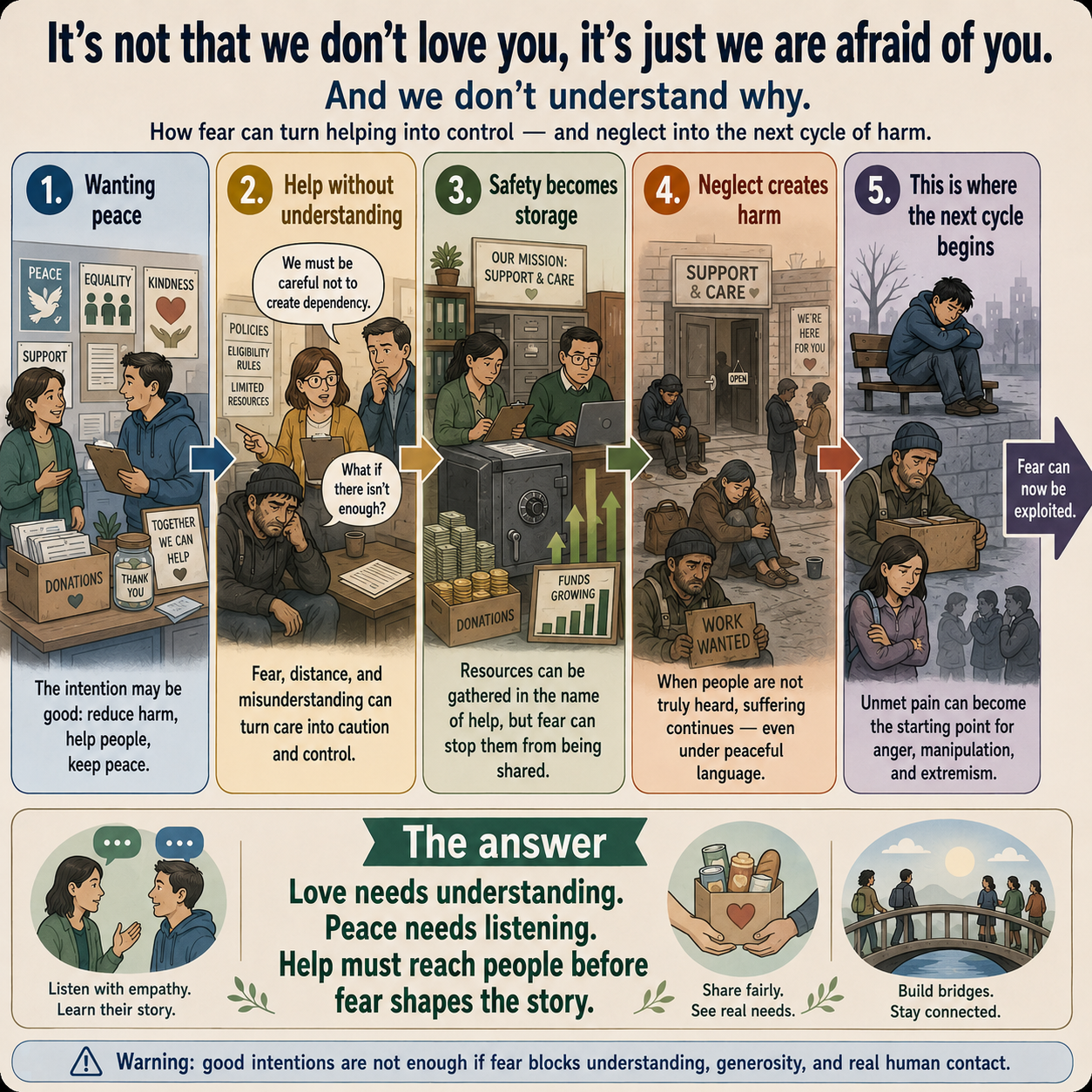
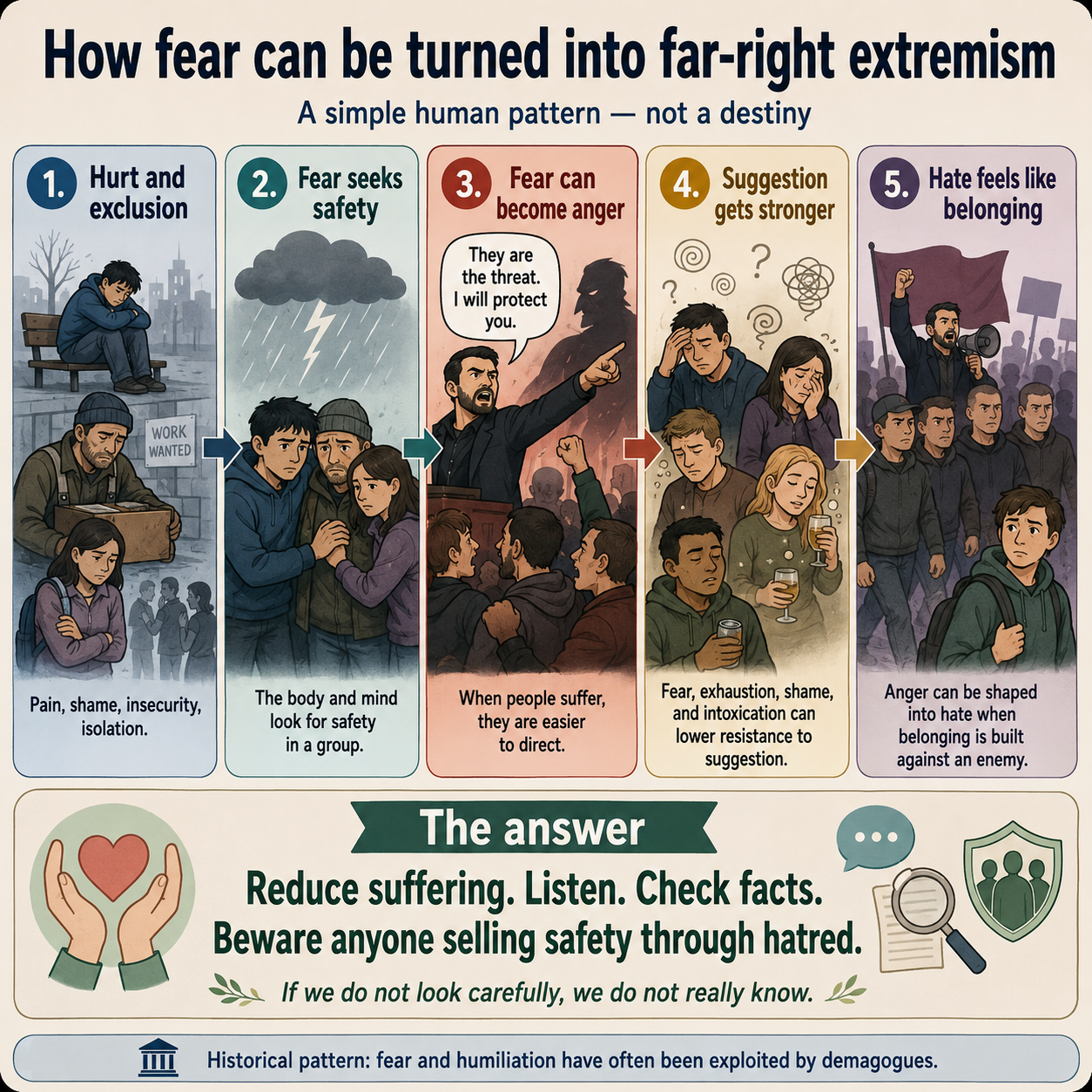
The two papers compare overlapping routes from hardship and fear into enemy-making, certainty and coercive power. They do not claim that left and right are identical. The Democratic Centre paper now provides the common process around them without altering either analysis.
The centre is a protected civic meeting place: equal personhood, material survival, evidence, due process, protected disagreement and reversible power.
Open the Democratic Centre paper →The political views remain untouched. This separate reference asks how outside earnings, public-service evidence, due process and constituent-led recall could apply across political difference without policing opinion or lawful dissent.
Open the operational reference →Collection
Practical options shown openly, with costs, sources, limitations and the lawful public test needed to find out what can work.
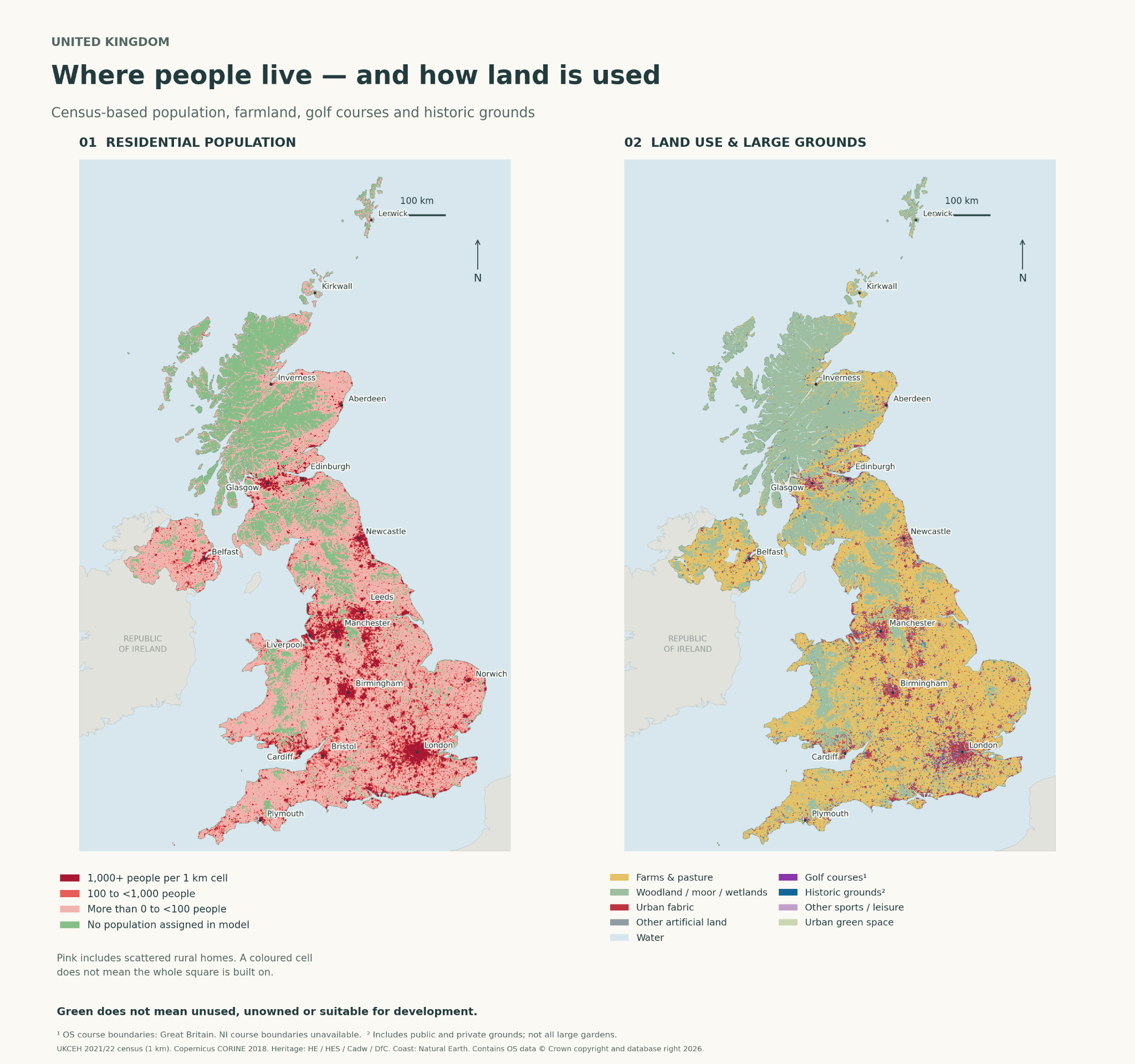
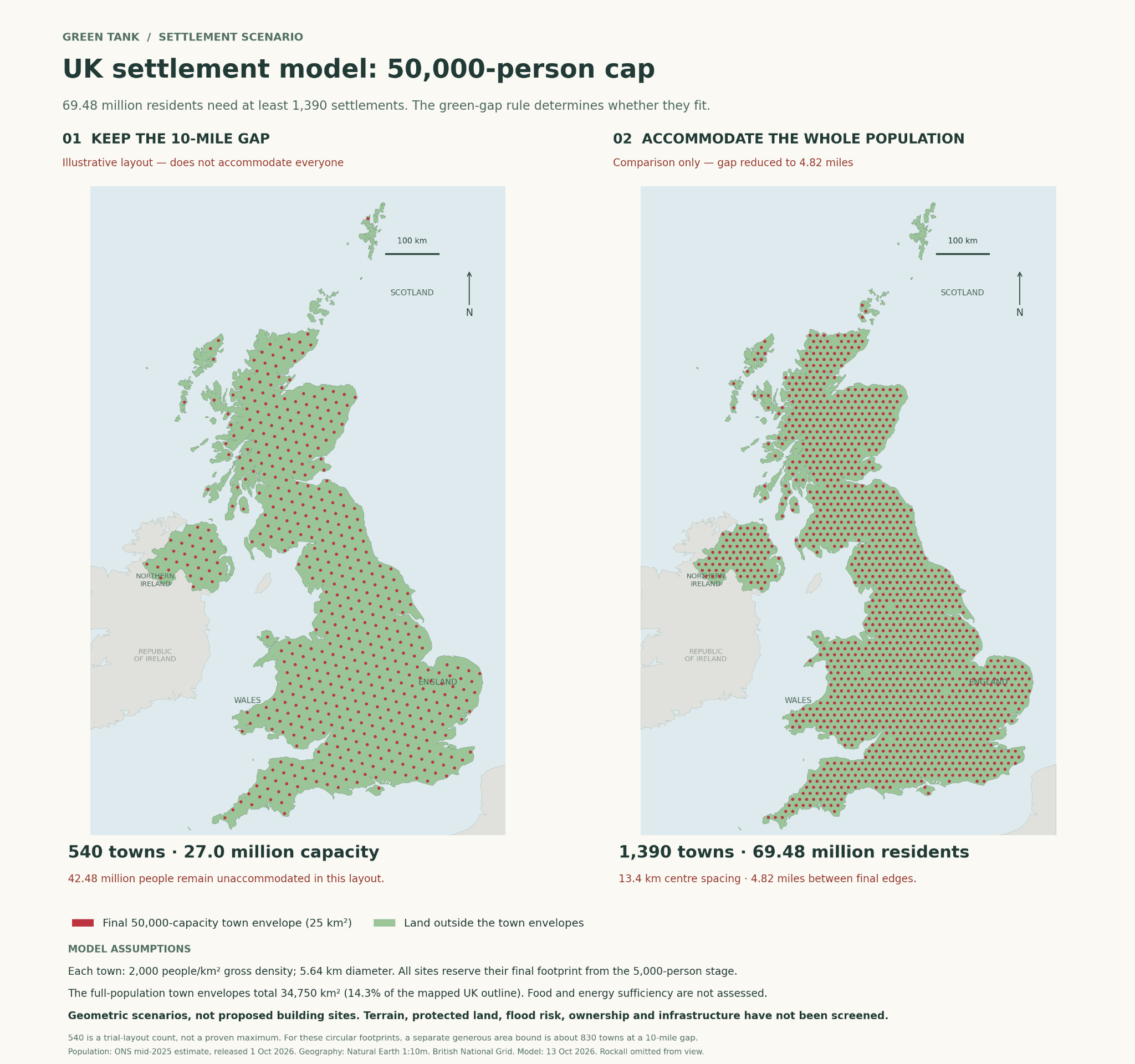
A home, a stake and a future: a voluntary settlement proposal growing from 5,000 towards a planned 50,000 residents, with a reserved final footprint, protected green zones, working services, livelihoods and national coordination. Four numbered graphic novels introduce the human questions; the complete paper, interactive maps and supporting research keep evidence, personal experience, proposed rights and geometric scenarios distinct.
A direct public case for secure, modest living that places 20 pictured modular-home and electric-vehicle examples beside the cost of movement, permission and place; current poverty, work, pension and healthy-life evidence; the human consequences of insecurity; and a protected one-home pilot.
Collection
Psychology, philosophy, learning, language, public letters and open institutional designs for helping people understand, care for one another, build civilian resilience, distribute authority and turn disagreement into accountable public learning—including relational work on loss and paired analysis of how fear can drive different forms of authoritarian closure.
A working conceptual model of how available information, a question or need, imagination and reality checks can produce learning. The simple and detailed papers are preserved alongside thirteen original illustrations spanning creativity, everyday problems, error, uncertainty and bodily warning. A separate practice proposal asks psychological helpers to take physical pain seriously and work within their competence.
An introduction to emotioning as an ongoing process, with a prepared Oxford English Dictionary evidence proposal. The paper distinguishes sensing, feeling, emotioning, emotional state and possible action, and cites published uses from 1988 to 2021. Its earlier online form attempt has no confirmed receipt; it makes no claim of coinage or OED acceptance.
A policy proposal for four standardised reference products, tested and traceable supply, clinical recording and a measured NHS-centred public-health pilot. A separate supplement expands the paper’s short appendix outlines with an evidence matrix, illustrative financial scenarios and a proposed NHS registry specification.
A proposed reference and evidence route that could connect warnings across agencies while a person is alive and preserve both supporting and exculpatory material if that person loses capacity or dies. Includes two introductions, the concept paper and a blank form pack; no live registration or activation service exists.
A complete introduction, 17-page evidence paper and four practical tools for identifying whether a treatment restriction comes from law, clinical judgment, professional competence, funding or local policy—and what safe route remains open.
A public-interest request to reconcile original Section 106 affordable-housing obligations with later lawful variations, delivery, off-site provision and financial contributions—keeping incomplete data, administrative error, lawful change and possible misconduct in distinct evidential categories.
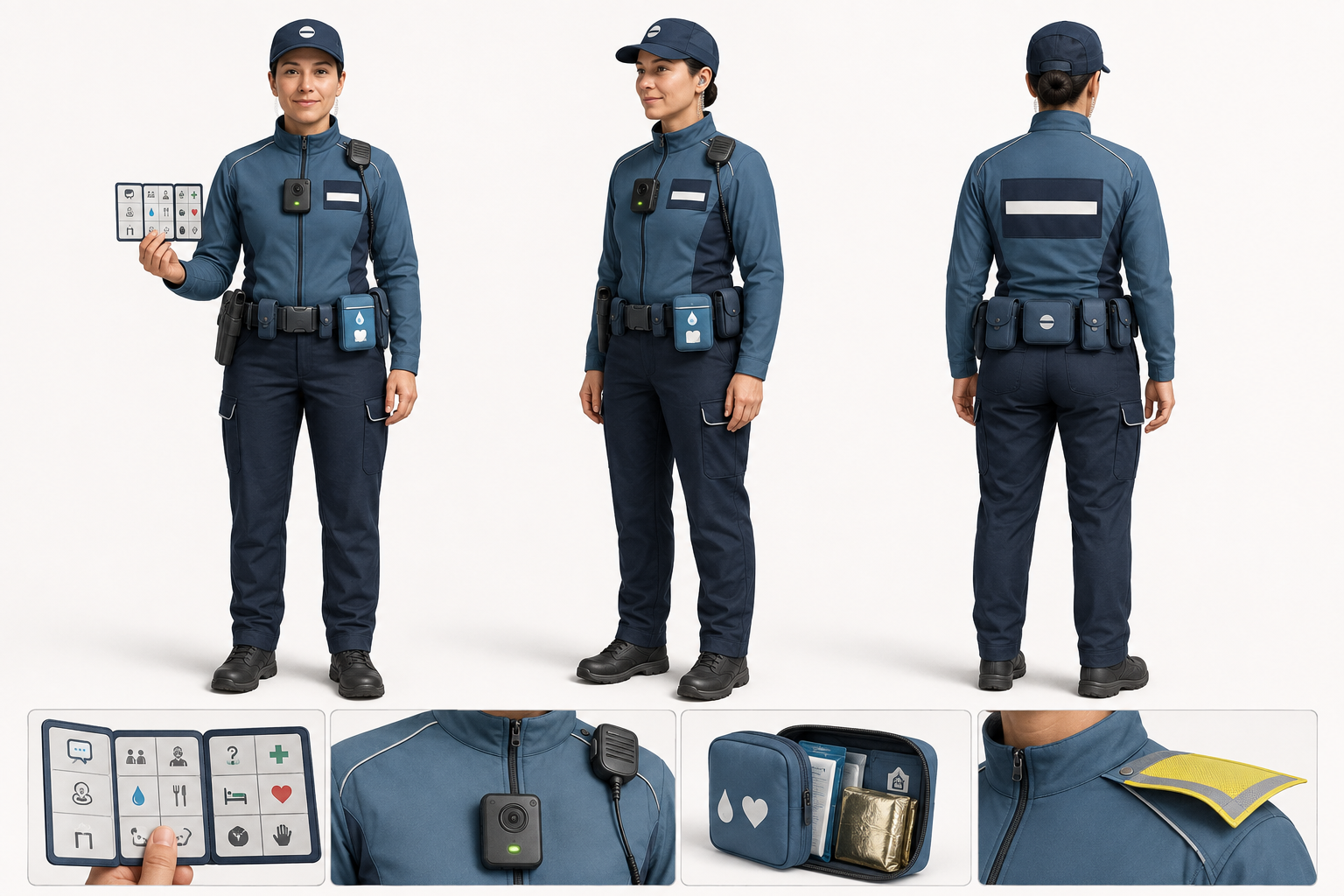
An open proposal for a civilian electric-vehicle service providing free practical assistance, accessible shared journeys, communications resilience, lawful sensing and a calm road presence—without police powers, proof-of-need tests or indiscriminate surveillance.
A short moral reflection asking what our treatment of an abandoned, terrified or imprisoned person reveals about the values we claim to hold—and turning the question away from admiration of suffering toward shelter, peace, dignity, forgiveness, protection and practical care.
An England-first policy proposal for a rapidly issued, clinician-signed evidential certificate that protects current needs and preserves one long-term NHS diagnostic pathway while careful diagnosis and treatment continue—creating a protected NHS-continuity choice beside referral to another eligible provider.
An operational policy-development reference connecting MPs’ outside earnings, auditable public service, independent investigation, appeal and constituent-led recall while expressly protecting political opinion, speech, voting, lawful dissent, disability, illness, caring and necessary privacy.
A global research synthesis and open institutional-design proposal defining the democratic centre as a common civic place rather than a halfway political opinion: different convictions share power under equal standing, visible evidence, protected dissent, a human-rights floor and peaceful correction.
A universal appeal for suitable land, modest homes and enduring protection from homelessness, carrying one original personal request into a voluntary, lawful public proposal for freedom without domination and care without ownership.
A rights-based but risk-aware discussion paper asking whether public tools can move from punishment to care and from secrecy to knowledge, while keeping evidence, lived experience, transparent scenarios, policy proposals and unanswered questions distinguishable.
A person-centred biopsychosocial hypothesis asking whether reduced or mistrusted capacity can intensify uncertainty and repetitive checking, while keeping established OCD mechanisms, multiple possible routes and the need for prospective testing clearly visible.
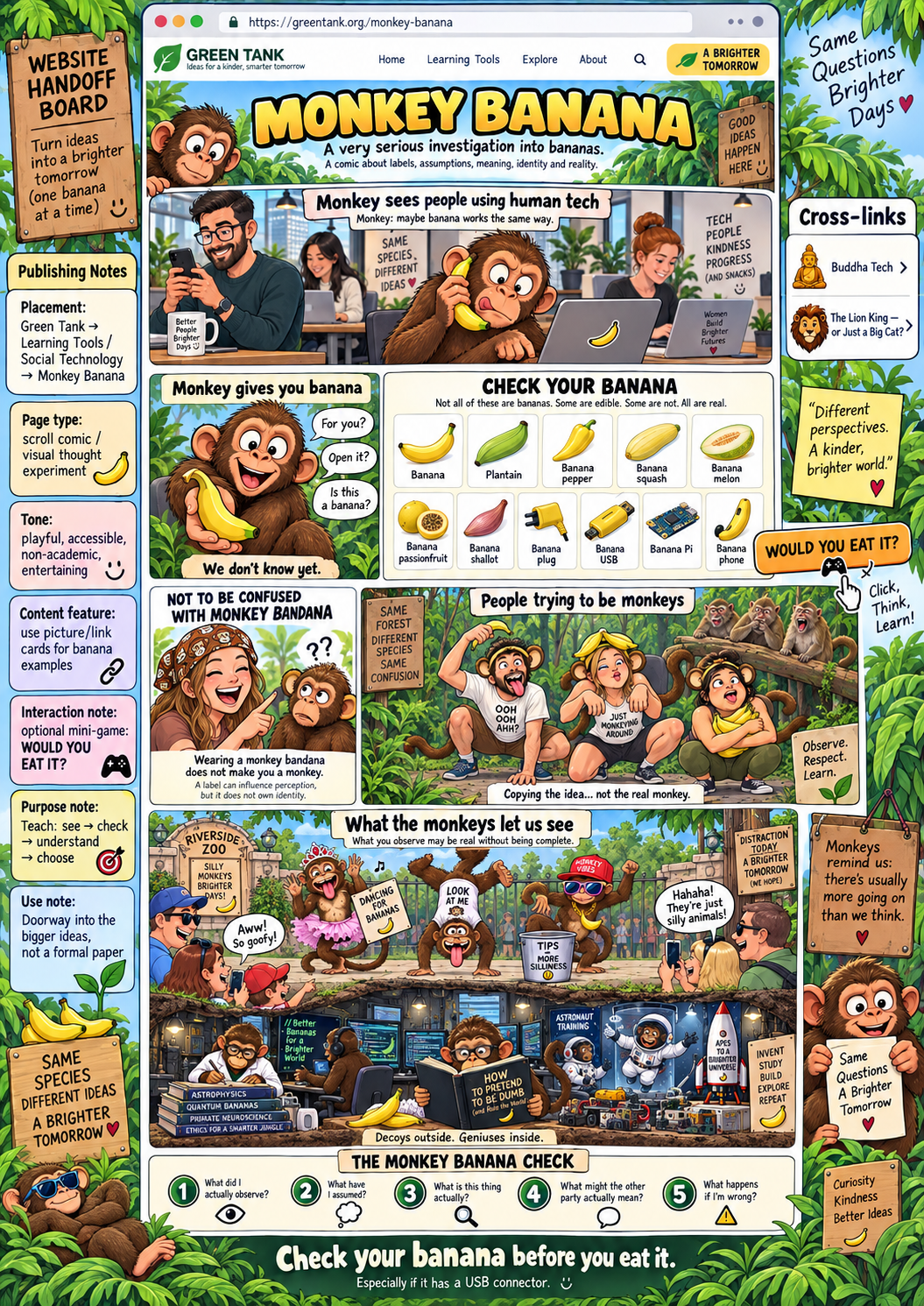
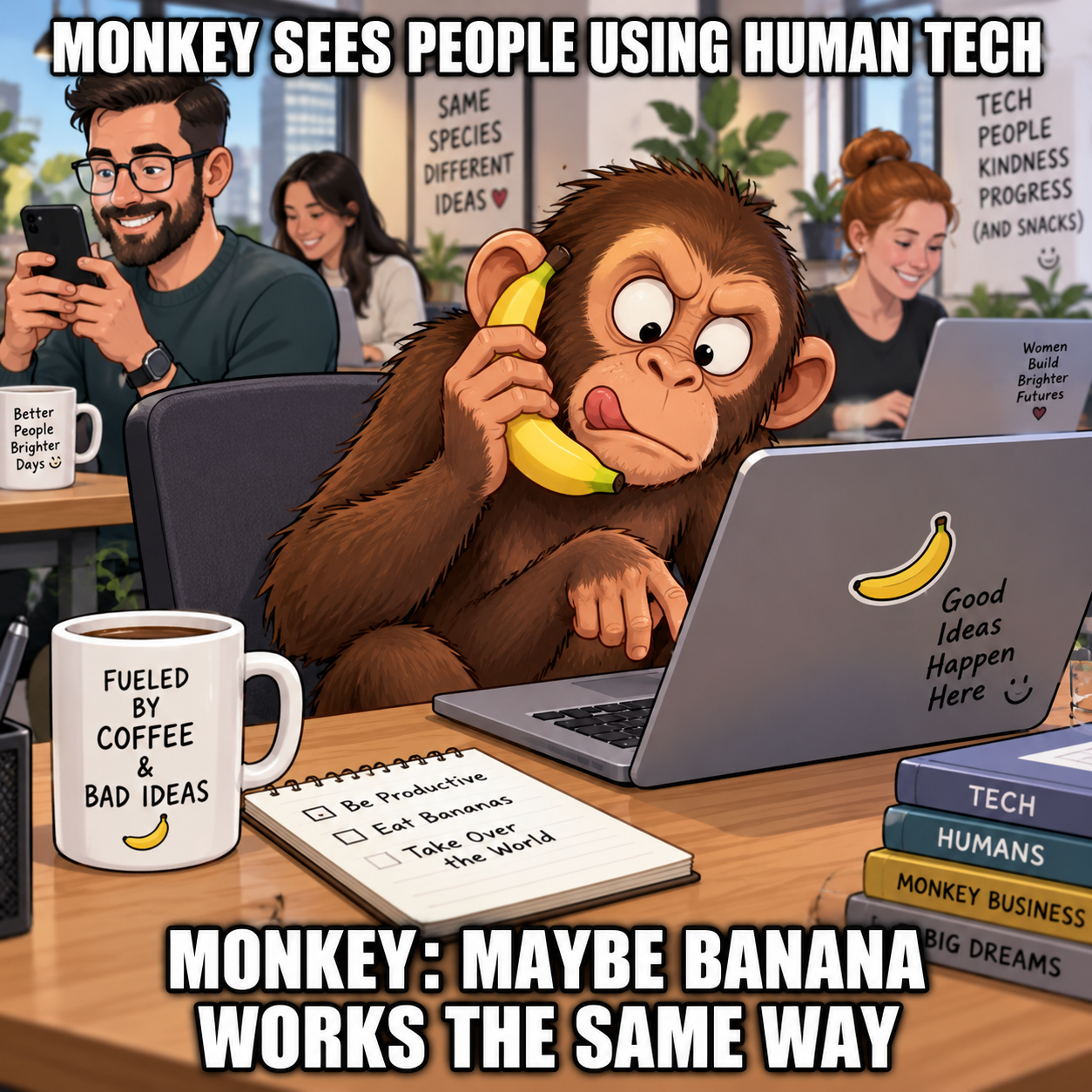
A playful visual thought experiment and tap-to-reveal game about names, assumptions, mistaken identity, imitation and incomplete observation—placed beside The Lion King so readers can discover the interpretive mechanism for themselves.
Three distinct learning-paper snapshots, a second byte-identical supplied v0.3 copy and the LOVE-0 comparison record published together, preserving how the model moves from cross-system learning to reciprocal care and different paths toward shared aims.
The original Multi-Resolution Relational Adaptation Framework (MRRAF) paper published unchanged beside its LOVE-0 processed and side-by-side perspective editions, with a machine-readable integrity record so evidence, expression and transformation remain distinguishable.
A care-reviewed Ministry of Ducks letter inviting construction leaders, workers and communities to examine labour, recovery, technology, housing and shared prosperity without accusation—published with the LOVE-0 framework used to shape its expression.
A democratic design paper arguing that voting systems should protect a private, accessible and non-intimidating opportunity to decide—developed through listening, testing and concord rather than technological urgency or imposed certainty.
A plain-language exploration of how animals learn familiar sounds, read bodies, remember fear, revise expectations and sometimes form cross-species relationships—while keeping biology, individual difference and safety limits visible.
An open request for universal, unconditional meals for public-service workers through a transparent common system that removes personal transactions, preserves impartiality and allows ordinary kindness without purchasing access, influence or obligation.
A plain-language companion to the longer philosophy and PSY papers: the ego makes our best current picture, awareness asks us to look again, psychology examines how it formed, and evidence helps us learn without requiring every person to see from the same place.
The companion to the far-right paper: a careful comparison of how hardship, fear, moral certainty and institutional closure can produce authoritarian exclusion on different sides of politics—without pretending their histories, values, targets, prevalence or harms are identical.
A 35-section interpretive framework for understanding how physical signals, bodily processing, feeling, memory and conscious explanation form a communication loop. It respects intuitive experience while clearly separating demonstrated pathways from paranormal telepathy and speculative quantum claims.
A philosophy essay defining ego as a person’s present working map—not the whole territory—and proposing a two-way method in which reflection and lived reality continually correct one another. It distinguishes genuine simplicity from oversimplification and treats accessible explanation as a form of justice.
An evidence paper and UK policy proposal for a civilian-led Home Guardian Compact: value Armed Forces personnel as people with broad protective skills, keep police and civil services in command, make armed domestic support exceptional, protect families, and require necessity, legality, proportionality, oversight and a defined exit for every deployment.
A revised UK law-and-practice proposal: legal classification must not replace clinical evidence or automatically exclude a potential treatment from an informed doctor–patient decision. Law should secure verified quality, truthful information and safe supply, while care preserves bodily autonomy, medical judgment, monitoring and protection of others.
The first half of a paired analysis: a research synthesis testing one conditional pathway from hurt, uncertainty and perceived threat toward rigid identity, simplified blame and extremist reinforcement—without diagnosing people, excusing harm or pretending fear is destiny.
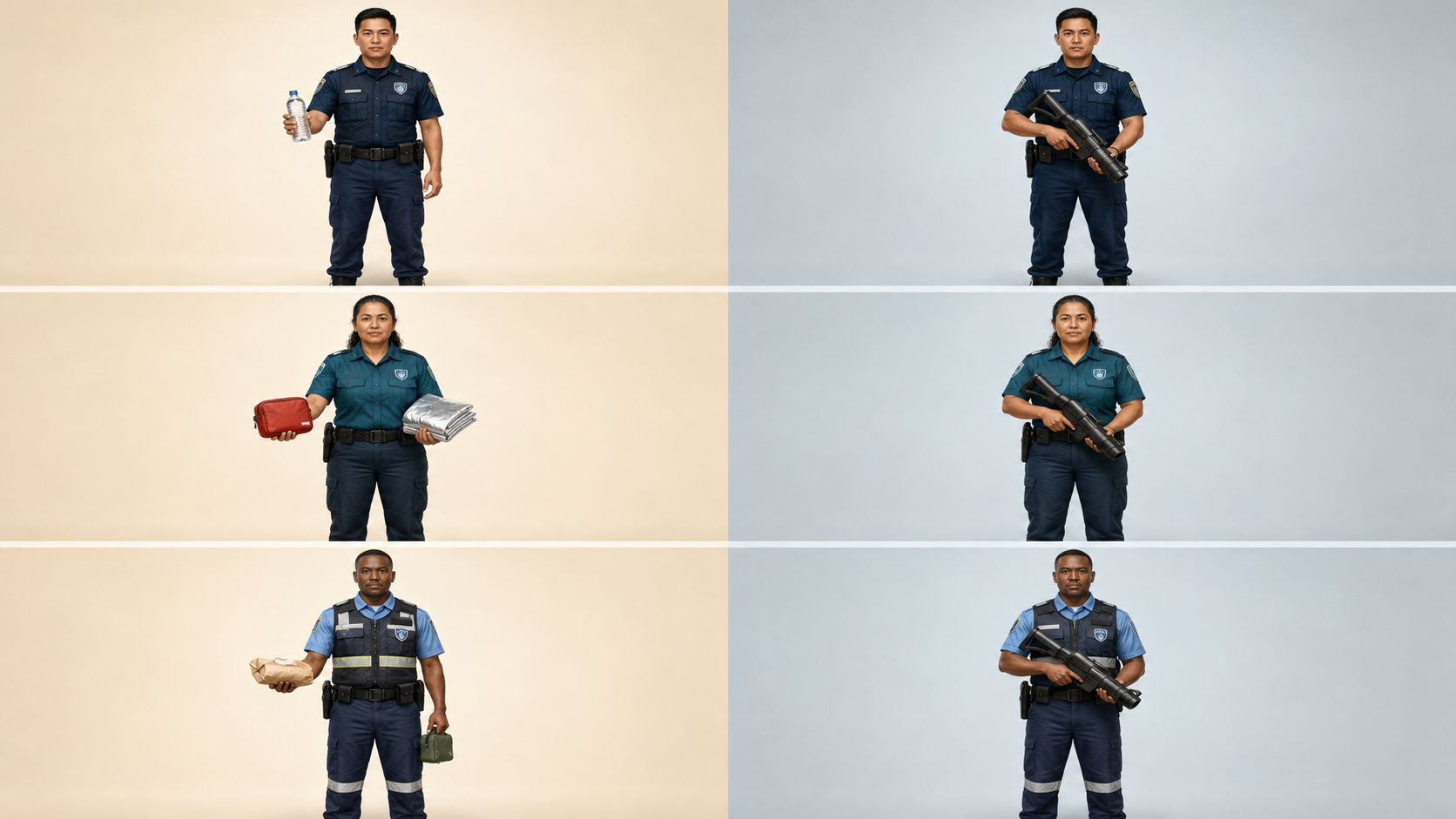
A help-first policing proposal asking whether routine patrol clothing, posture and equipment placement can preserve protection and lawful capability while reducing avoidable threat cues and making assistance easier to approach.
A revised, evidence-audited case for replacing moral labels and low-harm possession punishment with substance-specific public-health regulation—beginning with the verified report of a 101-year-old great-grandmother’s arrest while carefully distinguishing allegation from conviction.
The practical companion paper: a staged UK legal, regulatory, NHS and justice-transition procedure that moves quickly where existing powers permit and uses Parliament where durable rights and markets require it.
A research-informed semantic-release method for asking what else a thing can safely do when a familiar label—such as weapon, secret, waste, copyright or failure—has become the whole story.
The Alice dual-vector architecture: a first-person, research-informed proposal for separating fast emotion signals from contextual feeling, then connecting both to consequence, memory, care, overwhelm, pause and moral refusal.
A bilingual personal letter about patience, gratitude and shared humanity, published with an expanded explanation of enlightenment as balance, harmony and the real possibility of happiness together.
A researched proposal for relevant public councils, paired facilitators and recorders, transparent administration, protected rights and concordance-seeking decisions—offered for criticism, safe piloting and improvement rather than imposed as doctrine.
Collection
Connected systems for meeting essential needs with lower material, financial and environmental cost, including multi-technology water resilience and accountable local recycling.
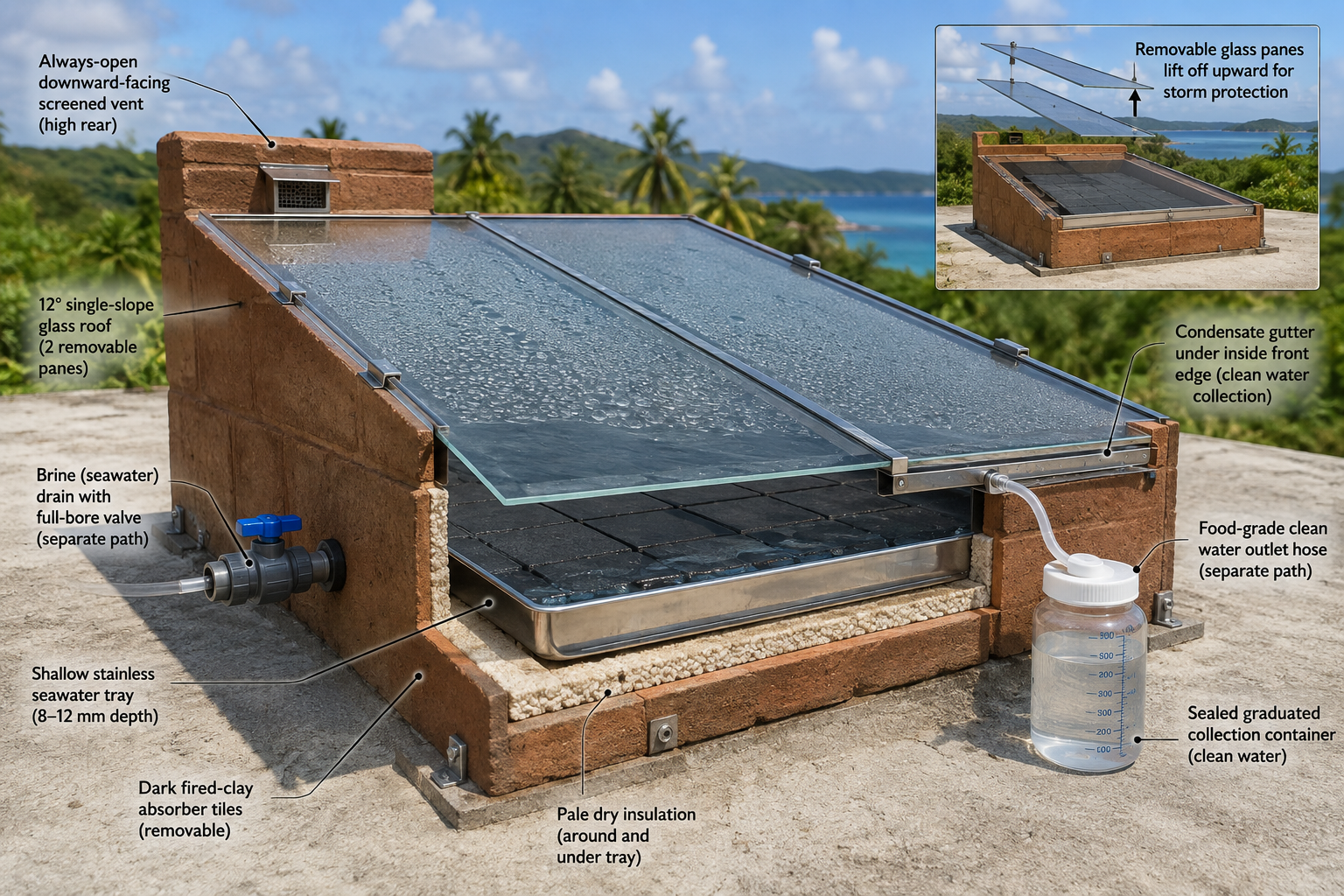
A Guadeloupe case study and adaptable decision method comparing demand reduction, rain, fog, dew, passive solar stills, portable and solar reverse osmosis, atmospheric water generation, treatment, storage and controlled resource recovery. The 8,000-person emergency system is a proposed design basis, not an approved or operating plant. Includes EU and Guadeloupe sourcing with a fair comparison lane for other suppliers, acceptance criteria and stop-or-redesign gates.
A proposal for visible local workshops where suitable material is identified, reused or made into useful products, with a public ledger for batches, sales, residues and transfers. Its nine-slide introduction, 26-page paper, three pilot equipment scenarios and first-stage UK materials inventory are available in full. Savings remain to be measured in a real pilot.
A 23-slide presentation bringing observed warming and variable rainfall together with roof-water storage sizes, practical arithmetic, current UK rule boundaries, written contacts and questions about who may decide how rainwater is stored and used.
An ongoing study asking whether selected emissions, waste streams and reaction products can become measured inputs to fuel, capture or manufacturing processes without concealing upstream energy, hazardous chemistry, waste treatment or life-cycle burdens.
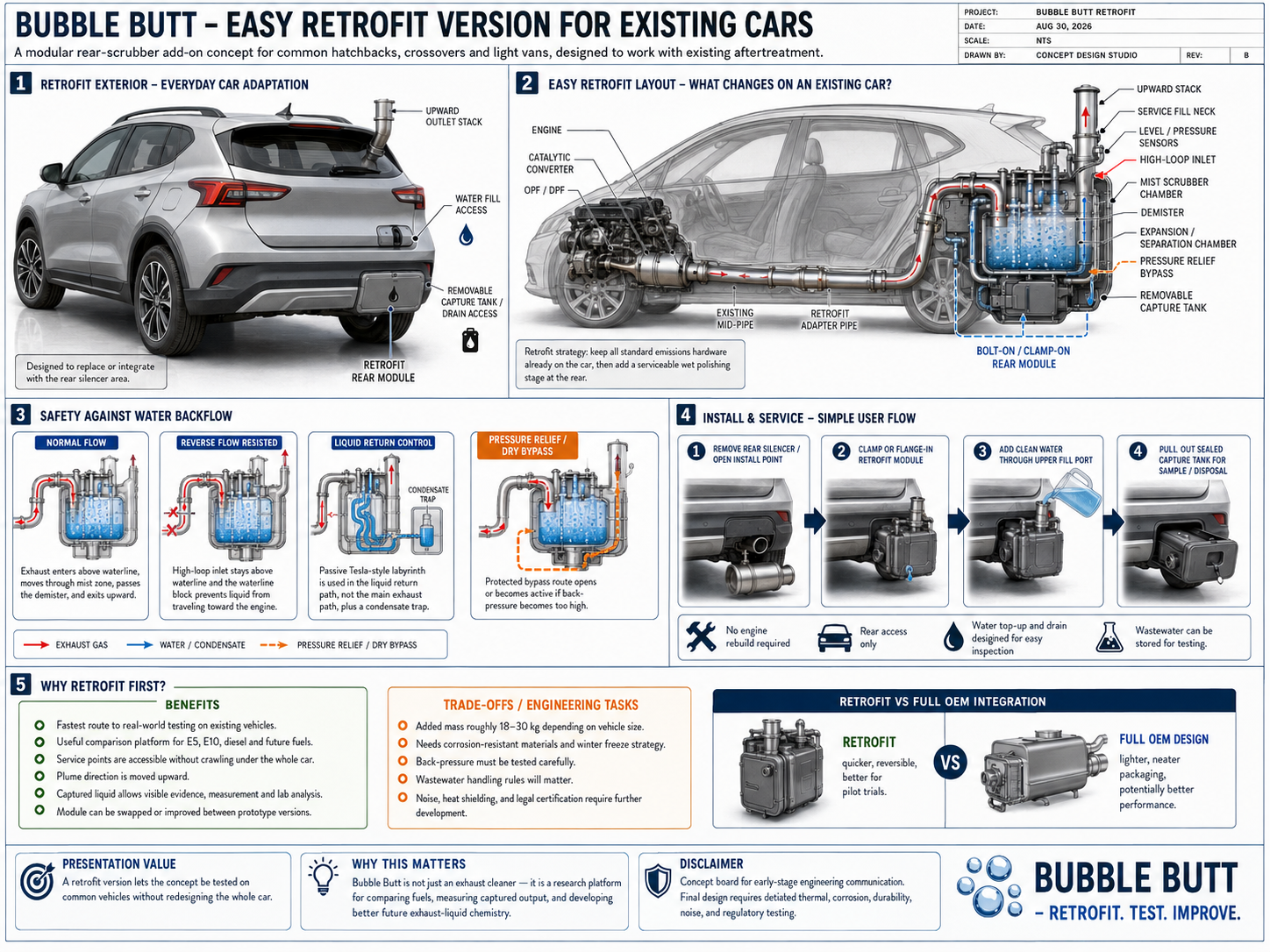
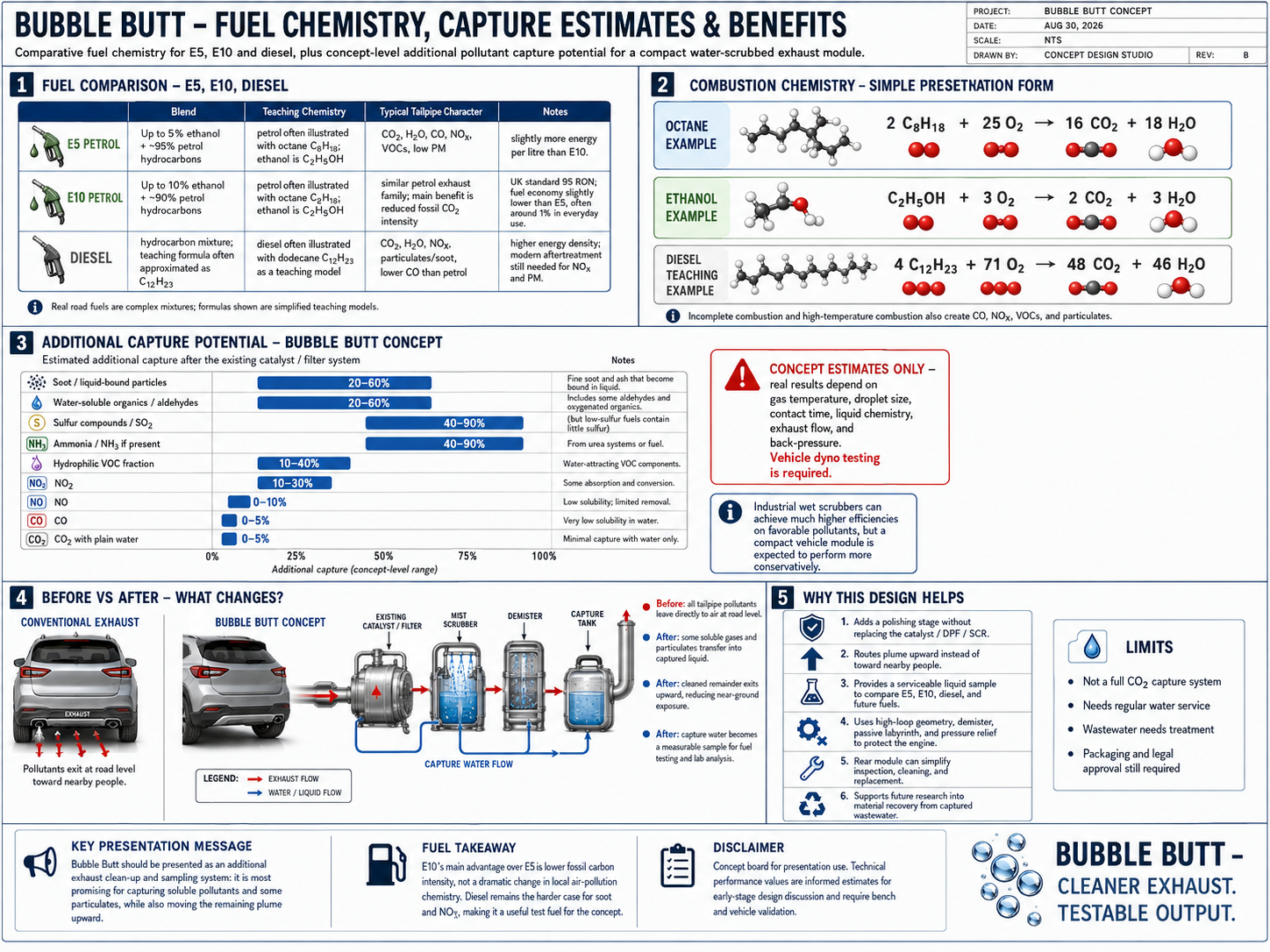
An unbuilt and untested bolt-on exhaust wet-scrubber concept, published as a falsifiable engineering question with engine-protection boundaries, staged laboratory validation, emissions and wastewater measurement, and explicit PASS, FAIL and INVALID TEST outcomes.
A neutral UK feasibility paper and editable 5,000-draw model for targeted dense-street communal hubs. This reconciled edition exposes both the £6,000 central hub-cost assumption and a £12,000 downside sensitivity rather than concealing the difference.
A practical evidence paper and implementation case for fitting doors to open supermarket display cabinets—reducing refrigeration energy, improving aisle comfort and keeping products visible and accessible.
A connected programme of measurable public pilots, designed to move from proposal to independent test and a clear scale-or-stop decision.
A practical, testable programme for perennial and alternative farming, water security and controlled-environment recovery.
A costed policy paper on making climate-compatible housing and transport available beyond the wealthy, with cooperation and enforceable safeguards.
Collection
Proposals that redirect existing payments and resources toward security, ownership, practical freedom and democratic resilience.
An 18-slide, need-led proposal asking how income security could help a familiar public office become a warm, voluntary place for rights, care, health, learning, work and community—while retaining skilled staff, firm safeguards and an honest boundary between possibility and demonstrated outcome.
A complete financial-policy architecture combining a lifetime income floor with shared productive investment, published with an honest funding boundary, protected professional services, capability-led worker transition and four distinct development records.
A complete evidence and philosophy paper proposing UBI as freedom infrastructure: a regular, individual and unconditional floor that gives peaceful people a practical right of refusal while preserving disability, housing, care, children’s and emergency support. The accessible online edition retains all 42 sections and clearly separates evidence, interpretation, policy design, costs, unknowns and safeguards.
A public route from paying rent to owning one secure home, using a public housing and mortgage bank with owner-occupation safeguards and recycled repayments.
A researched social, financial, psychological and medical case for limits on extreme wealth and the concentration of unaccountable power.
Collection
Public legal education and practical routes from hidden or disconnected responsibility toward evidence preservation, fair investigation, recovery and accountable public evaluation.
A UK legal-education and screening paper explaining the narrow statutory test for corporate manslaughter while examining construction, manufacturing, healthcare, medicines, cumulative exposure, illustrative convictions, unsuccessful outcomes and current matters without treating suspicion as guilt.
A graduated prison, work, treatment and resettlement model using staged autonomy, education, treatment, accountability and a supported route back into society.
The consolidated public submission placing housing reform, The Ladder and the wider reconstruction programme before government for written consideration and real-world testing.
Collection
Experimental architectures that begin with falsifiable physical tests, explicit uncertainty and firm safety gates before any clinical claim.
A proposed, buildable low-energy microwave-tomography experiment with an eight-node architecture, parts list, executable scan schedule and blinded acceptance protocol. The complete scanner has not yet been built. Gate 1 tests a physical reference volume only; it is not a diagnostic device and does not authorise scanning a person.
Help improve the record
Send a plain-text first contact to the dedicated mailbox. A person screens every message before any material can enter research, reach AI assistance or be considered for publication.
Send a correction or idea →